When water enters your home, confusion follows. What should you do first? How long will it take? Who should you call?
The water damage restoration process is a step-by-step method professionals use to remove water, dry the area, clean the damage, and restore your property safely. It protects your structure, prevents mold growth, and brings your home back to its pre-loss condition.
In this guide, I will walk you through the entire process of water damage restoration so you know exactly what happens and why it matters.
What Is the Water Damage Restoration Process and Why Is It Important?
The water damage restoration process is a structured system that includes inspection, water removal, drying, cleaning, and repair. It prevents further damage and protects your health.
Water spreads fast. Within hours, it seeps into drywall, flooring, and insulation. The Federal Emergency Management Agency states that quick action reduces long-term structural damage and recovery costs. The Centers for Disease Control and Prevention also warns that damp indoor spaces increase the risk of mold and health problems.
So ask yourself. If water is sitting inside your walls, can you afford to wait?
What Are the Water Damage Restoration Process Steps?
The water damage restoration process steps follow a logical order to control damage and restore safety.
Here is how the water damage restoration process usually works:
- Emergency contact and rapid response
- Inspection and damage assessment
- Water extraction
- Drying and dehumidification
- Cleaning and sanitizing
- Repair and structural restoration
Each stage plays a role in the overall professional water damage restoration process. Skipping one step can lead to hidden moisture, mold growth, or weakened structures.
How Does Inspection and Assessment Work?
The first stage in the water damage restoration process is inspection.
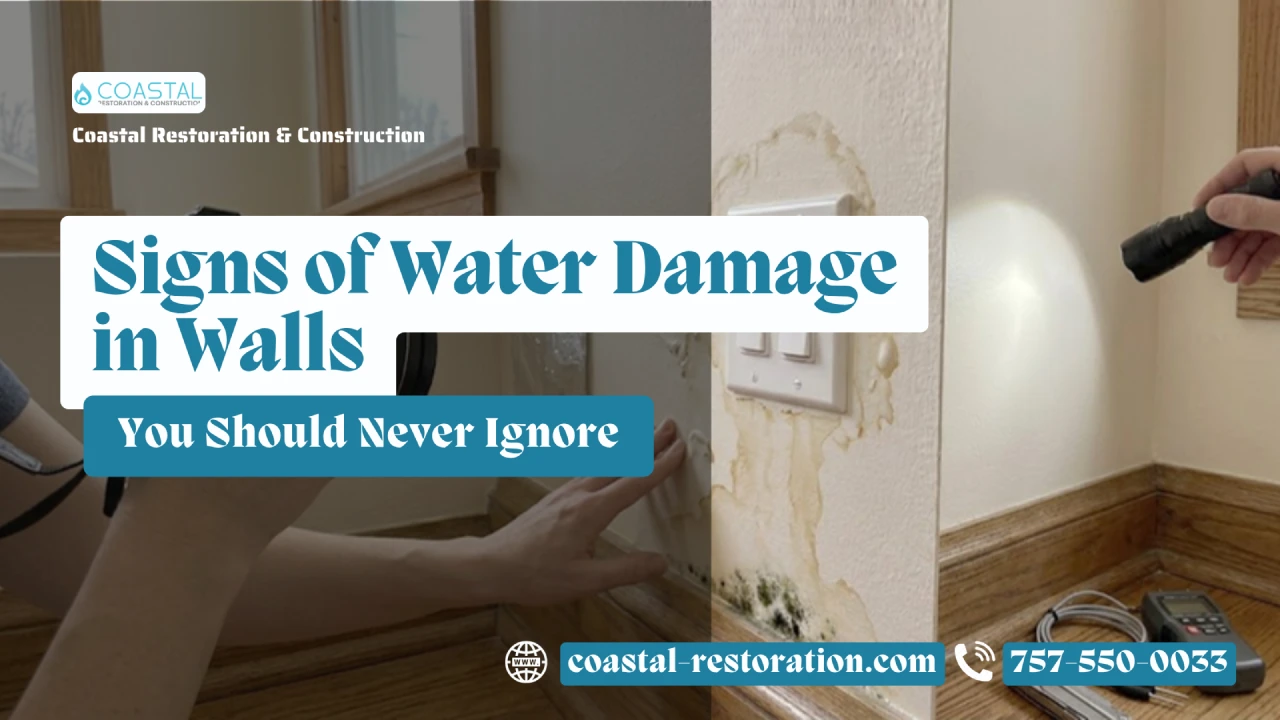
Professionals use water damage inspection tools such as moisture meters and thermal imaging to detect hidden water. They identify the water category. Clean water from broken pipes is different from contaminated floodwater. Contaminated water can increase the cost of water damage restoration.
This evaluation determines the scope of the water damage restoration efficient cleanup process. It also helps create documentation for insurance claims.
What Happens During Water Extraction?
Water extraction is the immediate removal of standing water.
Restoration teams use industrial pumps and vacuums to quickly extract water. Fast removal reduces structural swelling and the risk of molds. This step is critical in the water damage restoration drying process because drying cannot begin properly while water is still present.
Have you noticed how wood floors start to warp within a day? That is why timing matters.
How Does the Drying and Dehumidification Stage Work?
The water damage restoration drying process removes trapped moisture from walls, floors, and air.
High-speed air movers and commercial dehumidifiers circulate air and remove moisture. Professionals monitor humidity levels daily to ensure materials reach safe moisture content.
According to the Occupational Safety and Health Administration, controlling moisture prevents unsafe indoor conditions. Proper drying protects both the building and the people inside it.
How Is Cleaning and Sanitizing Done Safely?
After drying, surfaces must be cleaned and disinfected.
The water damage restoration efficient cleanup process includes:
- Removing debris and damaged materials
- Cleaning surfaces with antimicrobial solutions
- Deodorizing affected spaces
This step is especially important in the process of restoring water damage balconies, where outdoor exposure may introduce contaminants. Mold growth often begins in overlooked exterior areas. If ignored, mold remediation will only cost you more in the future.
What Does the Final Restoration Stage Include?
The final stage in the water damage restoration process involves repairs and rebuilding.
This may include:
- Replacing drywall
- Installing new flooring
- Painting and refinishing
- Structural repairs
The goal of the professional water damage restoration process is not just to dry the property. It is to restore it to its original condition or do better.
How Do Insurance Claims Work During Water Damage Restoration?
The insurance claims process of water damage restoration companies in the USA typically involves documentation, assessment, and direct communication with your insurance provider.
Restoration teams:
- Document damage with photos and moisture readings
- Provide detailed reports
- Coordinate with adjusters
This documentation supports your claim and speeds up approval. Many homeowners feel overwhelmed during this stage. Having experienced professionals guide you makes a major difference.
Why Should You Trust Professionals Instead of DIY?
The water damage restoration process requires specialized tools, moisture detection equipment, and safety training.
DIY drying often leaves hidden moisture behind. That leads to mold, odors, and costly repairs later. Professional teams follow industry standards and safety guidelines set by agencies like FEMA and the EPA.
Would you rather guess or rely on a proven water damage restoration process?
Conclusion: Understanding the Water Damage Restoration Process Gives You Control
Water damage scenarios are highly stressful. But knowing the water damage restoration process helps you act with confidence.
It starts with inspection. Then moves to extraction and drying. Finally, it ends with cleaning and full restoration. Each step protects your home and health. The key is speed and expertise. The faster you begin the process of water damage restoration, the better the outcome. If you ever face water damage, remember this guide. Act quickly, get professional help, and restore your peace of mind.
FAQ
What is the water damage restoration process?
The water damage restoration process is a step-by-step method that includes inspection, water removal, drying, cleaning, and repairs to restore a property after water intrusion.
How long does the water damage restoration process take?
The water damage restoration process usually takes 3 to 7 days for drying. Full repairs may take one to several weeks, depending on the severity of damage.
What is included in the water damage restoration drying process?
The water damage restoration drying process uses air movers and dehumidifiers to remove trapped moisture from walls, floors, and air until safe humidity levels are reached.
Can I handle the process of water damage restoration myself?
Minor spills can be managed at home. However, the full water damage restoration requires professional equipment to prevent hidden moisture and mold growth.
How does the water damage restoration companies’ insurance claims process in the USA work?
The water damage restoration companies’ insurance claims process in the USA involves damage documentation, detailed reporting, and coordination with insurance adjusters to support claim approval.