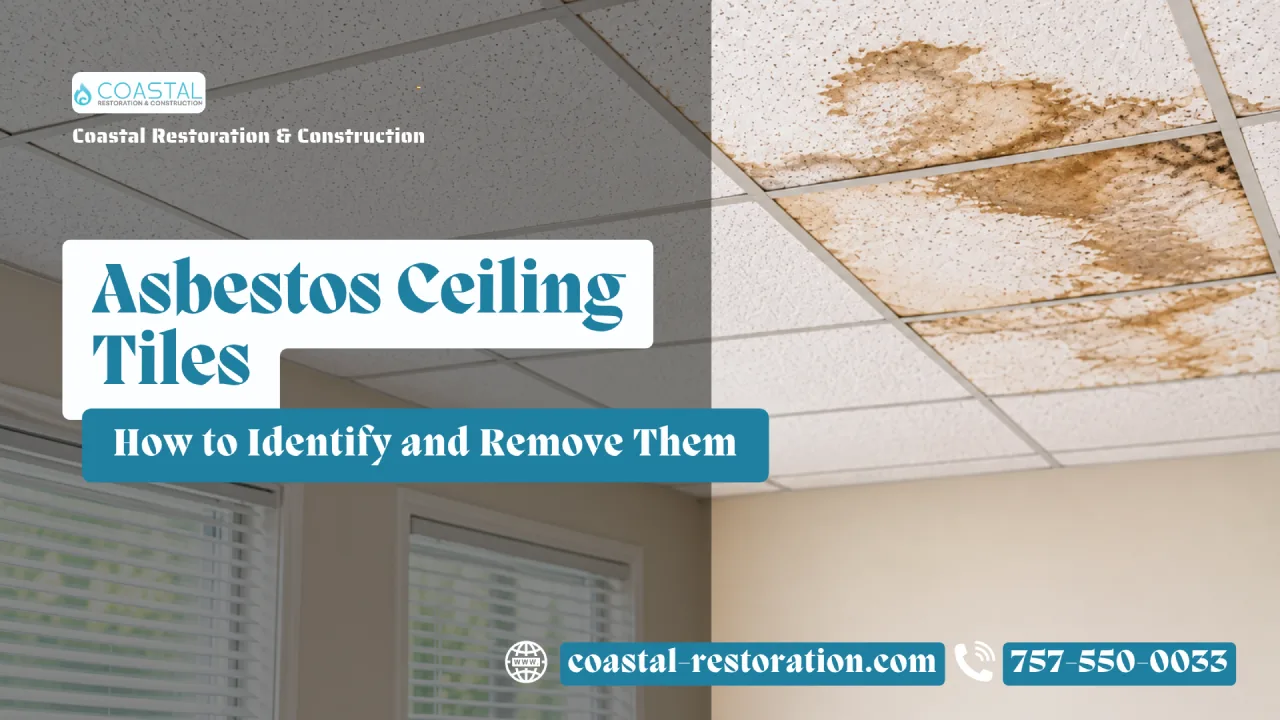
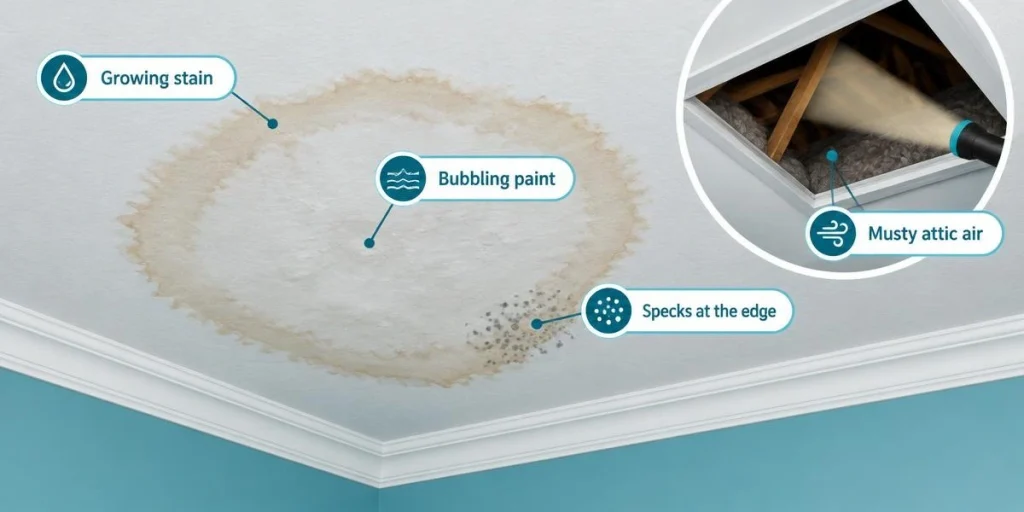
A storm rolls through, and a day or two later, you see a tan ring on the ceiling of your bedroom. But since it is small, you keep it as a mental note and don’t give it much thought. A few weeks pass, and you notice that now the ring is wider than before; there is a slight bubble in the paint near the middle, and grey specks have also formed along the edges of the roof. Up there in the attic, the air is also beginning to smell like an old, abandoned basement,
This is how you may discover that your home has a roof leak and mold problem. These two don’t always appear together, and mold may develop far from where the water first entered. But here is the good news: if you fix the leak, dry out everything that got soaked, and arrange proper mold removal when needed, you can prevent much of the damage from spreading.
The following guide will discuss how roof leaks lead to mold, where you have to look first, what early signs you have to look out for, and how you can tell real mold on a roof from the dark streaks on shingles that just look like it.
Can a Roof Leak Cause Mold?
Of course, a leaking roof can certainly be the reason for mold. According to the U.S. Environmental Protection Agency (EPA), once the materials get wet, if you don’t dry it off within 24-48 hours, mold will start to grow. Roof water can get to a lot of dark, warm places, like roof sheathing, rafters, insulation, and the paper face of the drywall. Since these places stay out of sight generally, the water can stay for a long time if you are not actively searching for it.
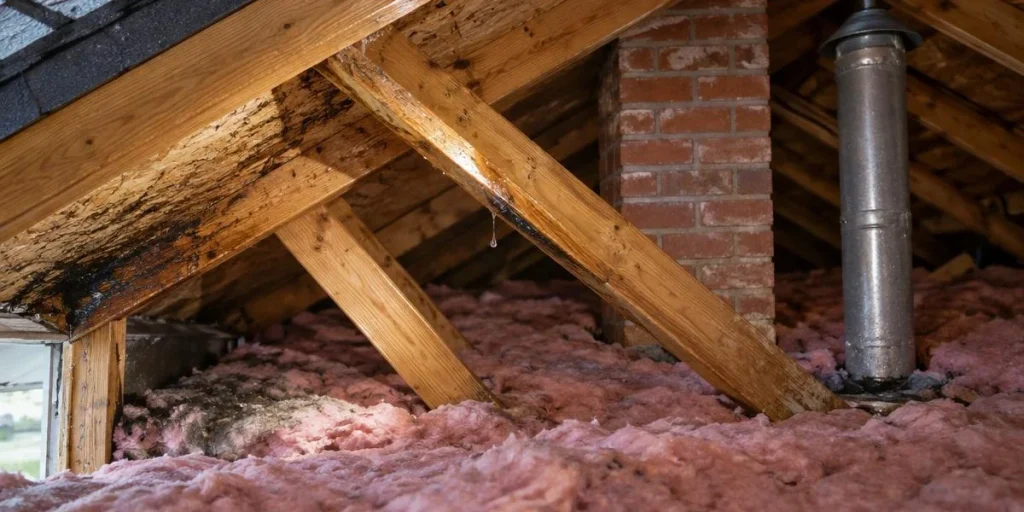
It doesn’t matter how much water is there, as long as you dry it within a short time. Even a slow dripping hole can lead to a leaky roof mold. A lot of you may also wonder: can a leak in the ceiling cause mold if it came from any other source? The answer is the same here too; it doesn’t matter where the water came from, as long as it remains stagnant above your roof.
Where Mold From a Leaking Roof Hides
One thing you should consider first is that water does not always fall straight down. It travels along the underside of the roof’s deck, probably follows a rafter for a few feet, and then it finally drops. So, when looking for mold from leaking roof water, you should also check places that are far from the actual hole.
At first, check your attic with a flashlight. The Department of Energy’s Guide to Durable Attics identifies mold or mildew on attic surfaces, wet insulation near the eaves, and warped or rotting wood as common warning signs. Pay particular attention to chimneys, vent pipes, skylights, and roof valleys, where moisture can collect and lead to mold growth in attic spaces.
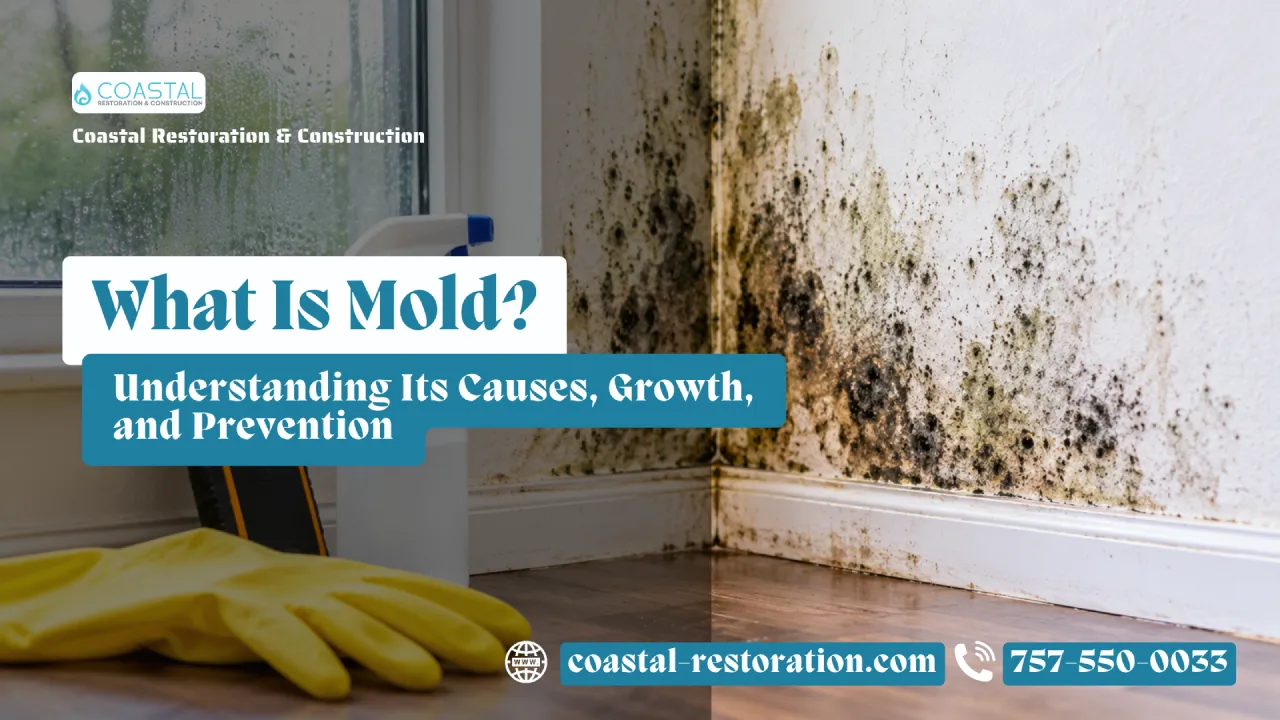
After that comes the ceiling. Mold in the ceiling from leak damage generally starts on the back side of the drywall, or pressed against soggy insulation. This is exactly why you can’t see it until the paint bubbles. Some leaks can also avoid the ceiling and drip down to an outside wall. In such cases, a swollen baseboard might be your only clue that there is something wrong.
Early Stage Mold on Ceiling From Roof Leak
If you can somehow catch the mold at these stages, you can repair it rather easily. Signs of early stage mold on ceiling from roof leak water include:
- A stain that grows or darkens after every rain
- Gray, brown, or black specks around the edge of the stain
- It can also be bubbling inside the paint or peeling paint in one spot
- A soft or slightly sagging patch
- A moist smell at the attic opening
The edge of the stain deserves the closest look. It stays damp the longest.
Is Black Mold From a Roof Leak Worse?
It is not simply because of the colour of the mold. The EPA says “black mold” doesn’t simply mean one specific type, and many ordinary molds are dark. The CDC doesn’t ask you to identify it, either, since it does not matter what kind of mold it is; you have to remove it all. The actual concern with black mold from roof leak water is how far it has expanded and if the leak is still going. If anyone in your home has asthma or allergies, you must keep them out of the room when doing the cleanup.
What to Do About Mold in the Ceiling After a Leak
The first thing that you need to do is get your roof fixed, or at the very least, get it tarped. If you clean the mold while the roof is still leaky, it will not change the situation.
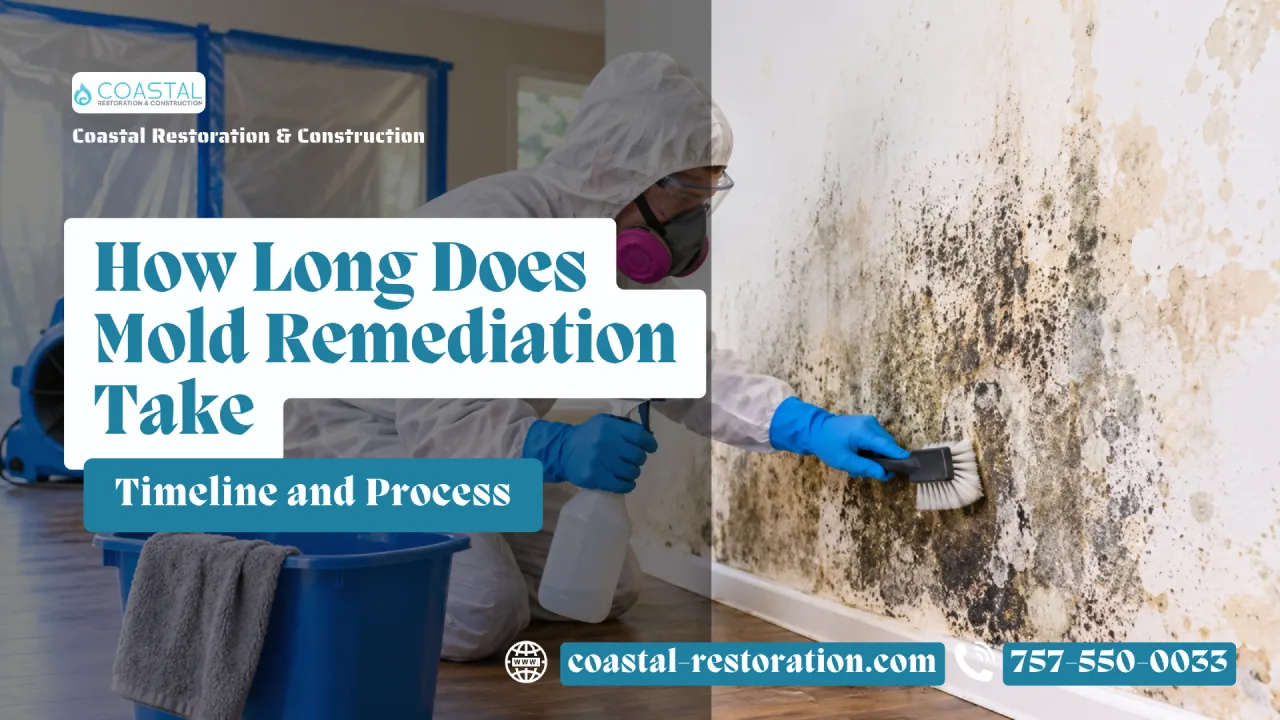
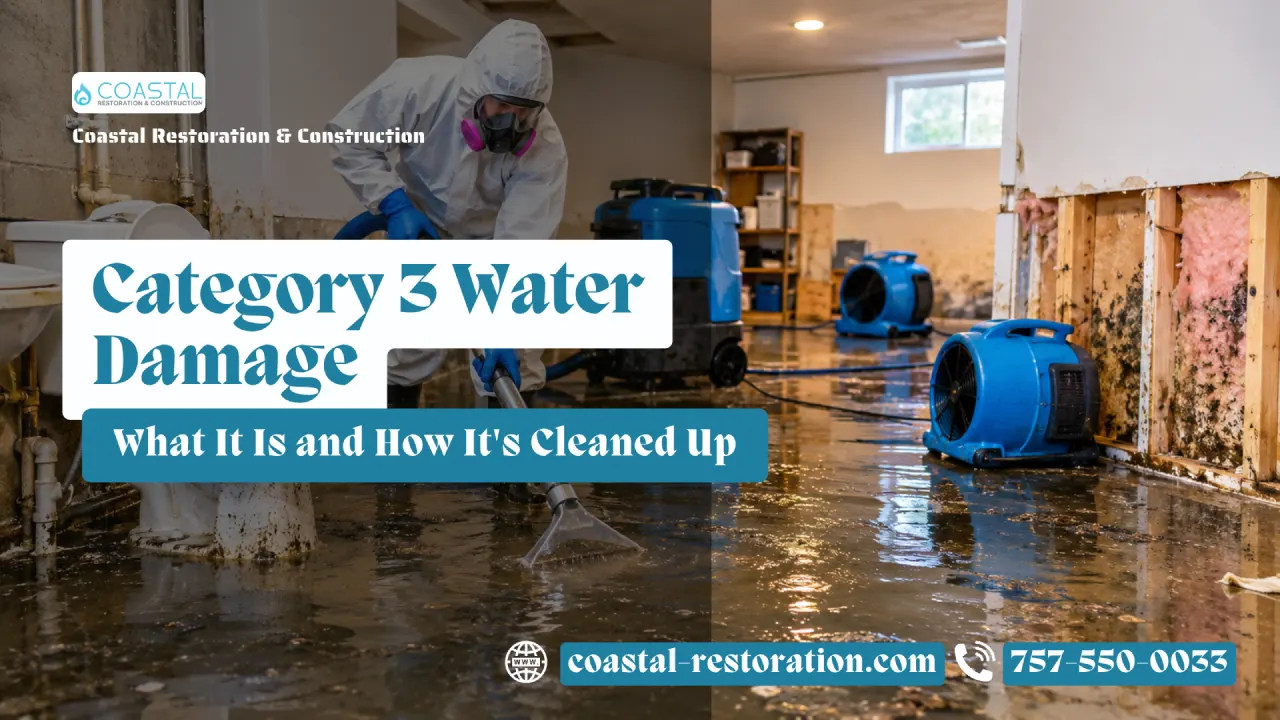
The next step is to dry everything, and fast. The EPA’s water damage table says if the ceiling tiles and insulation are wet, they should be thrown out and replaced. The drywall can sometimes be dried without removing it, but that is only when it hasn’t swollen and the seams are still intact. You need to use fans and dehumidifiers in the wood right away. You won’t be able to tell whether it’s dry by simply touching it, so professional structural drying crews rely on moisture meters.
If there are small spots on a hard surface, just using soap and water usually takes care of it. However, if the growth of mold passes about 10 square feet or gets into the insulation, the EPA suggests professional mold remediation. And don’t think just painting over the stain will take care of it; that will lead to a worse outcome down the road.
How to Prevent Mold After a Ceiling Leak
We have prepared a list below on how to prevent mold after ceiling leak damage from repeating itself:
- Look in the attic after every big storm
- Swap out insulation that got soaked
- Vent bath and kitchen fans outdoors, not into the attic
- Keep indoor humidity under 60 percent
- Get flashing and shingles checked every year or two
Mold on Roof Shingles Is Usually Algae
Those black streaks on shingles look like mold on roof surfaces. Mostly, they’re algae. The Asphalt Roofing Manufacturers Association names Gloeocapsa magma as the main culprit and says it thrives in warm, humid areas along the Eastern Seaboard. Hampton Roads fits that description, with Norfolk’s average morning humidity sitting around 78 percent according to Current Results.
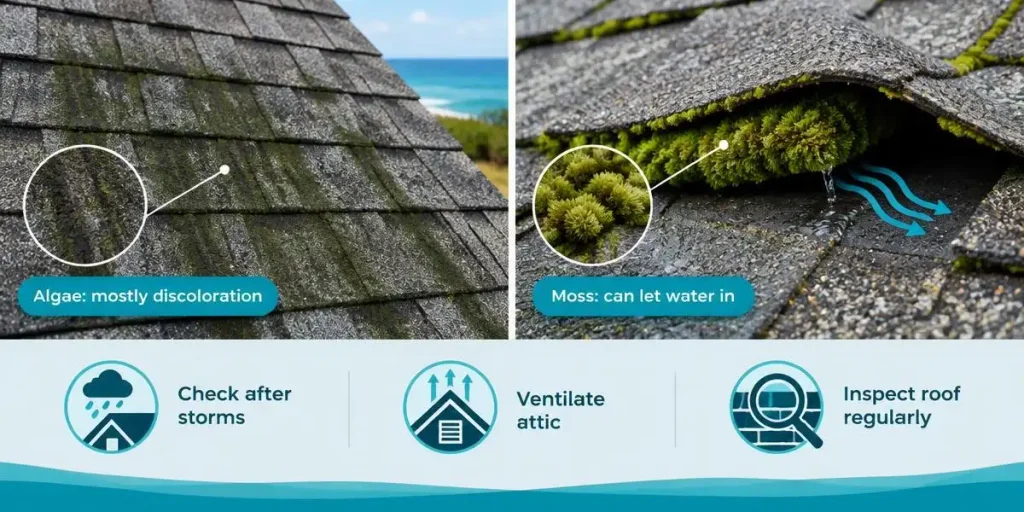
Moss is the one to watch on a moldy roof. Oregon State University Extension notes it can lift shingles and let water reach the layers below, which is how outside growth turns into an inside leak. For cleaning, ARMA warns against pressure washing and suggests hiring a pro.
Handling a Roof Leak and Mold Before It Spreads
A roof leak and mold are one problem in two stages. Water gets in, and mold follows when it doesn’t leave. Fix the roof, dry everything within a day or two, and replace what can’t be saved. A stain that keeps growing is worth checking now, not after the next storm.
FAQs
We have answered some of the most common queries that homeowners have regarding a roof leak and mold.
Is mold on roof shingles dangerous?
Usually not. When people ask, is mold on roof dangerous, they’re looking at algae streaks, which ARMA treats mostly as discoloration. Moss can cause leaks over time, though.
Will mold go away once the roof leak is fixed?
No. The EPA notes dead mold can still trigger allergies, so moldy drywall and insulation have to be cleaned or removed.
Does homeowners insurance cover mold from a roof leak?
Sometimes. The Washington State Insurance Commissioner explains that sudden, accidental water damage is usually covered, but mold coverage is limited and tied to a covered loss. Report it quickly, and get help with your insurance claim.
Roof Leak Left a Stain? Get It Checked Before Mold Sets In
New ceiling stain after a storm, or a musty attic? Coastal Restoration & Construction can trace the water, dry out the damage, and remove any mold the leak left behind.