When the flames go away, we shift our attention to everything left behind. We look at the damaged materials, surfaces affected by smoke and soot, water from firefighting efforts, and now, the primary work is to restore the property.
A fire leaves behind much more than ashes; the house is not the same as it was before, and you need to clean it up; all of these contribute to the fire damage cleanup cost.
Whether you are dealing with minor smoke damage or a house fire that reached the structure, the fire damage cleanup cost depends on the extent of the damage, the type of damage, and the work needed to recover from fire damage.
Some properties need light cleaning, while others need extensive restoration and rebuilding works. When you understand the main cost, it can help you prepare for the process of how you can recover and make proper decisions after a fire.
How Much Does Fire Damage Cleanup Cost on Average?
The total cleaning cost changes depending on the affected size and the area, also, the severity of the damage, and other factors.
Many property owners ask, “how much does fire damage cleanup cost?” The honest answer is that the average cost of fire damage cleanup depends on how far the fire spreads, how much smoke and water are involved, and whether repairs are included.
Here, take a look at Average Cost by Damage Severity:
| Damage Severity | Typical Scope of Work | Average Cost Range |
| Minor | Light smoke and soot cleanup in one area | $3,000 – $10,000 |
| Moderate | Multiple rooms affected by smoke, soot, and water | $10,000 – $30,000 |
| Major | Extensive cleanup and structural repairs | $30,000 – $75,000+ |
| Severe | Significant structural damage and reconstruction | $75,000 – $100,000+ |
These ranges are approximate estimates, not guaranteed prices. The lower tiers mostly reflect cleanup work, while the higher tiers also include structural repairs and reconstruction.
This means the total project cost can move from one tier to another once a professional completes a damage assessment.
Cleanup Costs vs. Repair and Reconstruction Costs
Online estimates for fires often look very different from each other, and the reason is usually scope.
One figure may cover only cleanup, such as removing soot, treating smoke odor, and drying out water-affected areas. Another may include the cost of replacing drywall, flooring, or framing.
This article focuses on cleanup only. Fire damage cleanup makes the property clean and stable, while repairs and rebuilding restore what the fire destroyed. Those two are priced separately. For repair and rebuilding costs, see our guide to fire damage restoration cost.
What Can Affect Fire Damage Cleanup Costs?
Generally, the total cleanup cost can vary on the level of damage, for example, and each factor that affects the cost of fire damage cleanup adds its own line to the final bill.
Size of the Affected Area
- Single-room damage usually costs less to clean.
- Multiple rooms increase labor and repair costs.
- The farther the fire spreads, the more surfaces, materials, and systems need attention.
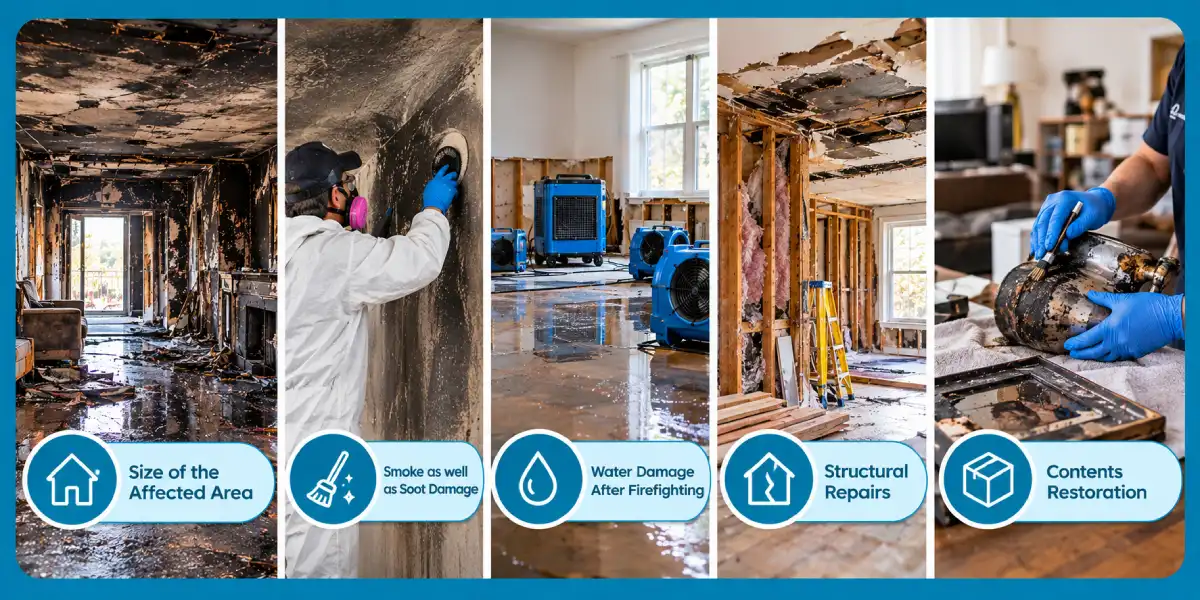
Smoke as well as Soot Damage
- Smoke and soot can go beyond the fire area, and it needs deep cleaning
- Professional soot removal may be needed to clean surfaces affected by heavy soot buildup.
- Walls, ceilings, furniture, electronics, and HVAC systems need cleaning and deodorizing
- Heavy soot can raise the soot removal cost, especially when it has settled into porous materials.
Water Damage After Firefighting
- Water damages flooring, drywall, and insulation, and needs a proper fix.
- Additional things like extracting water, drying, dehumidification, and preventing mold.
- Water damage from firefighting efforts often adds to the cleanup bill, because putting out a fire can soak far more of the house than the flames touched.
Structural Repairs
- Damage to roofs, walls, flooring, ceilings, windows, or framing increases costs.
- Major reconstruction needs more materials and labor.
- The extent of the structural damage is often what separates a cleanup project from a full rebuild.
Contents Restoration
- Personal things also need professional cleaning.
- Furniture, clothing, electronics, and valuables also add to the cost.
- Specialized cleaning techniques for electronics, documents, and fabrics can raise the cost of contents work.
Emergency Services and Cleanup Delays
Quick action can limit the cost of fire damage. Soot and moisture keep spreading after the fire is out, so waiting too long can lead to additional damage such as corrosion, staining, and mold growth.
Emergency board-up, water removal, and early cleanup help prevent further damage, though after-hours response may add to the cost.
Accessibility of Damaged Areas
Attics, crawl spaces, tall ceilings, and tight corners take more time and equipment to clean.
Limited access can also make it harder to see how far the damage goes, which can raise labor costs.
Materials and Finishes
The materials in your home affect how much cleaning or replacement is needed. Porous materials such as carpet, insulation, and unfinished wood hold smoke and often need replacing.
Hard surfaces such as metal, tile, and sealed wood can usually be cleaned. Replacement and rebuilding costs are covered separately in our repair cost guide.
Estimated Smoke Cleanup Costs After a Fire
Most of the time, smoke damage reaches the areas where flames do not reach. Visibly, it harms walls, ceilings, furniture, carpets, clothing, ventilation systems, and many other necessary things. As a result, smoke cleanup can add more cost to the total bill.
Smoke damage cleanup cost varies with how deep the smoke has traveled and how long the odor has been left untreated.
Here, take a look at Smoke Cleanup Cost by Intensity:
| Smoke Damage Level | Typical Condition | Estimated Cost Range |
| Light | Minor odor and residue in limited areas | $200 – $2,000 |
| Moderate | Visible residue in several rooms | $2,000 – $6,000 |
| Heavy | Extensive contamination and strong odors | $6,000 – $15,000 |
These smoke damage cleaning prices are approximate and generally describe the smoke-related scope only. That is one reason they are lower than the overall project ranges above, which can include water damage and structural repairs.
If you are asking how much smoke remediation costs for your own property, an on-site inspection is the only reliable way to find out.
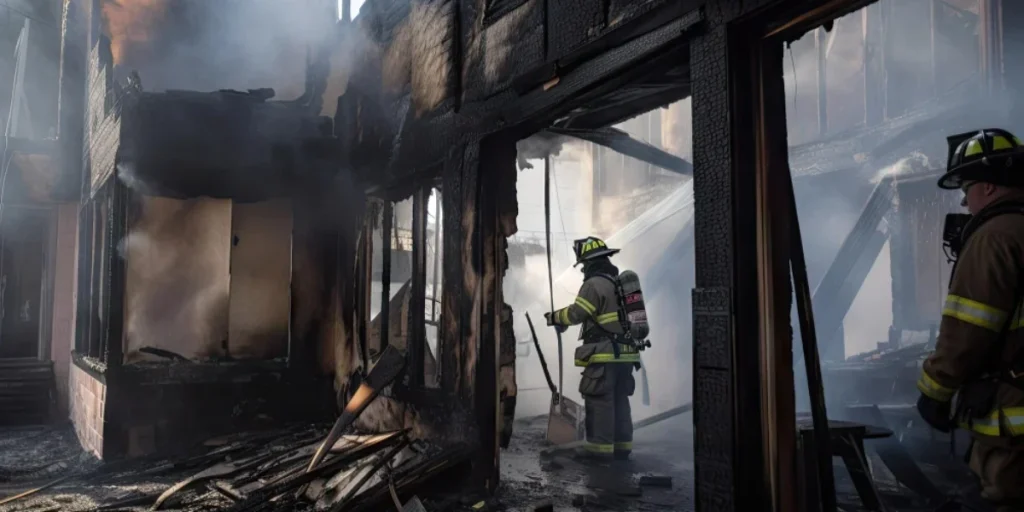
Light Smoke Damage
Light smoke damage usually happens after a small, contained fire. For this, surface cleanup, including cleaning, deodorization, and air treatment, is very effective.
Smoke damage clean up cost in these cases is usually at the lower end because the work stays limited to a small area.
Common work includes:
- Surface wiping
- Odor treatment
- Filtration of air
- Minor content cleaning
Moderate Damage by the Smoke
Moderate smoke contamination often spreads in multiple rooms. These need more detailed cleaning and deodorization.
At this level, the cost can begin to include replacing items that cannot be cleaned.
Normally, the services are:
- Cleaning of the wall and ceiling
- HVAC inspection
- Furniture cleaning
- Carpet treatment
- Odor removal
Situation of Heavy Smoke and Odor Contamination
Heavy smoke damage touches almost every surface in a property. Restoration teams may need special tools and different cleaning systems to remove residue and odors.
Smoke remediation cost rises here because shared systems complicate the process, especially when smoke has entered ductwork. For more detail on cleaning residue, see our soot removal and cleanup guide.
Projects of this scale require:
- More deep cleaning
- Thermal fogging machine
- Ozone treatments
- Air scrubbers
- HVAC cleaning
- Content restoration
Fire Damage Cleanup Costs for Different Property Types
The cost of fire cleanup can also vary based on the type of property involved. A small residential property usually requires less cleanup and repair work than a large commercial building. The amount of smoke damage, building materials, contents, and structural repairs can all affect the final cost.
The specific type of fire also matters. An electrical fire, for example, may need extra inspection of wiring and equipment before cleanup can begin.
Residential Properties
Homes often need smoke and soot cleanup, smoke smell and odor removal, water mitigation, and repairs to damaged rooms. The final cost depends on how far the fire and smoke spread throughout the property.
For a fire in your home, the work often centers on kitchens, bedrooms, and shared HVAC systems.
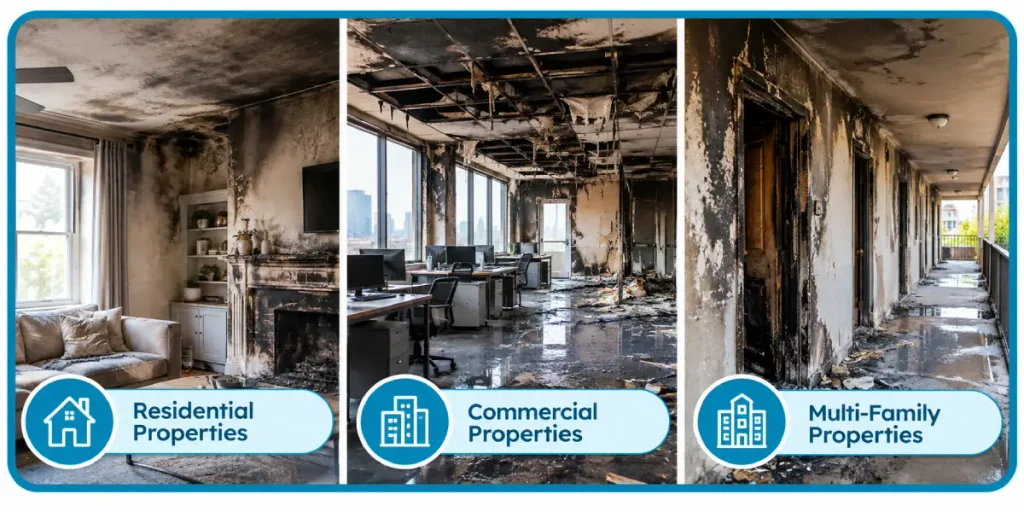
Commercial Properties
Commercial buildings involve larger affected areas, special tools, inventory loss, and longer restoration timelines. Business interruption can also add challenges to the complete recovery.
Commercial projects may also involve fire-rated materials, large HVAC systems, and more complex coordination with the insurance company.
Multi-Family Properties
Apartments, condominiums, and multi-unit buildings need restoration work in several units at the same time. Smoke and water damage can spread between neighboring spaces, increasing the area of more cleaning up.
Shared walls, ceilings, and ventilation can make the scope of work wider than the unit where the fire started.
What Does Fire Damage Cleanup Include?
A fire damage cleanup estimate may include several types of work. Not every project needs every service, and reconstruction is often priced separately. Understanding what is included helps you read your estimate and compare cleanup costs between companies.
Debris Removal and Initial Cleanup
The first step is often clearing burned materials, broken items, and unsafe debris. House fire debris removal cost depends on the amount of material, how much of it is hazardous, and how easy it is to reach and haul away.
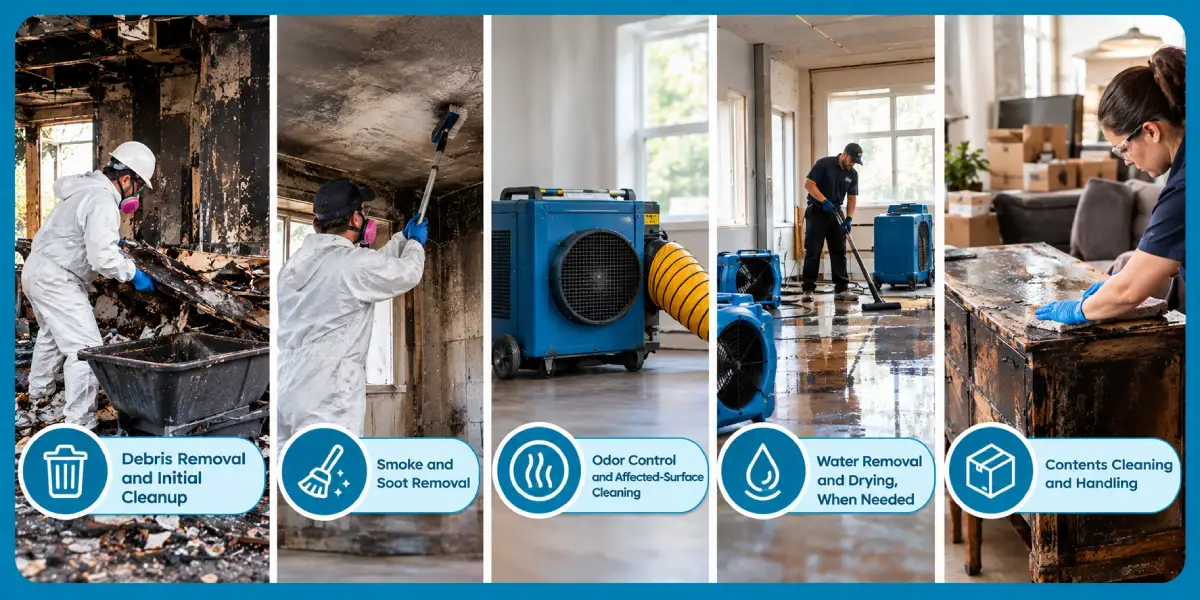
Smoke and Soot Removal
Smoke and soot can settle on walls, ceilings, fixtures, and inside vents. Cleaning methods depend on the surface and the type of soot. Soot removal cost goes up when residue is heavy or has spread through the property.
Odor Control and Affected-Surface Cleaning
Even after visible residue is cleaned, smoke odor can linger in porous materials and air systems. Deodorizing, air filtration, and specialized cleaning help remove it.
Water Removal and Drying, When Needed
If firefighting left water behind, the property may need extraction, drying, and dehumidification to prevent additional damage and mold growth. This is where water damage cleanup and fire and smoke cleanup overlap, and it is only included when water is actually present.
Contents Cleaning and Handling
Furniture, clothing, electronics, and personal items may be cleaned, stored, or listed as unsalvageable. Professional cleaning of contents is usually itemized because it depends on the number and type of belongings.
How Is a Fire Damage Cleanup Estimate Prepared?
A reliable estimate comes from a real inspection, not a guess. Here is how a professional usually builds one. For the broader stages that follow, see our fire damage restoration process guide.
Inspecting the Affected Areas
The contractor walks through the property to check where fire, smoke, soot, and water have reached. This damage assessment also looks at air quality, structural condition, and hidden spaces.
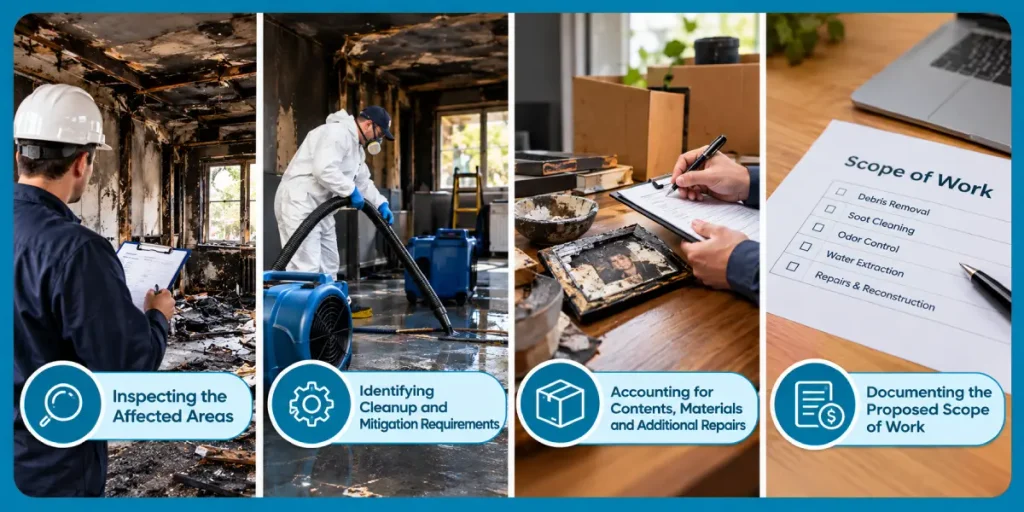
Identifying Cleanup and Mitigation Requirements
Next, the team decides which services are needed, such as debris removal, soot cleaning, odor control, and water extraction. It also decides which tasks must happen first to prevent further damage.
Accounting for Contents, Materials and Additional Repairs
The estimate also considers belongings, building materials that can be cleaned or must be replaced, and any repairs the project may require.
Documenting the Proposed Scope of Work
The findings are written into a scope of work with a clear cost breakdown. This document helps you compare offers and supports your insurance claim. The estimate can change if concealed damage or additional work is found once the cleanup begins.
Does Insurance Cover Fire and Smoke Damage?
Many insurance policies provide coverage for fire damage. However, it can vary depending on the policy and the cause of the fire. In fact, insurance may cover:
- Fire damage repairs
- Smoke cleanup
- Soot removal
- Water damage from firefighting
- Temporary housing expenses
- Personal property restoration
Coverage limits, deductibles, and exclusions can affect how much financial support is available.
Your insurance company will also consider the circumstances of the loss, so it is wise to read your policy carefully or ask your agent what applies.
To support a claim, you have to do the following things:
- Take photos of all affected areas
- Document damaged belongings
- Save receipts for emergency expenses
- Keep copies of restoration estimates
- Contact your insurance provider
When you prepare the documents early, it can make the claims process smoother and also reduce delays. Documentation supports your claim but does not guarantee coverage or payment.
Understanding the True Cost of Fire Recovery
A fire can affect much more than the area touched by flames. Smoke, soot, water damage, and structural issues can all increase the final bill. While some projects involve minor cleanup, others may need extensive repairs and reconstruction.
The scope of cleanup, secondary water damage, and necessary repairs together shape the final project total.
Getting a professional assessment like the one offered by Coastal Restoration can help identify hidden damage, support insurance claims, and provide a clearer picture of the work required.
Understanding what affects costs can help property owners make informed decisions and move forward with confidence after a fire. Working with a professional company also gives you a clearer view of the total project cost before work begins.
FAQs
Below are quick answers to the cost questions property owners ask most often after a fire, including pricing, timelines, safety, and what an estimate covers.
How much does fire damage cleaning cost per square foot?
It can range from a few dollars to more than $20 per square foot, depending on the damage, smoke, water exposure, and the amount of restoration work. This is only a general guide, and the final figure depends on whether the estimate covers cleanup alone or also includes repairs.
How long does fire damage restoration take?
Minor cleanup projects may take a few days, while larger projects can take some weeks or months. The timeline depends on the extent of the damage, the repairs required, and the approval process with your insurance company.
Is it safe to stay in a house with smoke damage?
Smoke residue affects air quality and has harmful particles; you need a professional inspection first to know if the property is safe or unsafe to live in. Do not re-enter a fire-damaged property until the authorities have cleared it. A professional inspection alone is not official occupancy clearance.
What is included in a fire damage cleanup estimate?
A fire damage cleanup estimate may include debris removal, smoke and soot cleaning, odor control, water extraction and drying when needed, and contents cleaning. Reconstruction, such as rebuilding walls or replacing flooring, is often quoted separately. Because every property is different, the estimate depends on a professional inspection of the damage.
Conclusion
Fire damage cleanup cost depends on how far the fire and smoke spread, how much water damage followed, and whether repairs are part of the estimate. Knowing the difference between cleanup and reconstruction helps you read quotes with confidence and plan your next steps.
If your property has been affected by fire, acting quickly can help limit further damage and keep the total project cost under control. A professional inspection is the most reliable way to understand what your property needs.
The team at Coastal Restoration & Construction can assess the damage, explain the scope of work in plain terms, and guide you through fire and smoke cleanup from the first walkthrough to the final result. Contact Coastal Restoration & Construction today to schedule an assessment and get a clear picture of your fire damage cleanup cost.