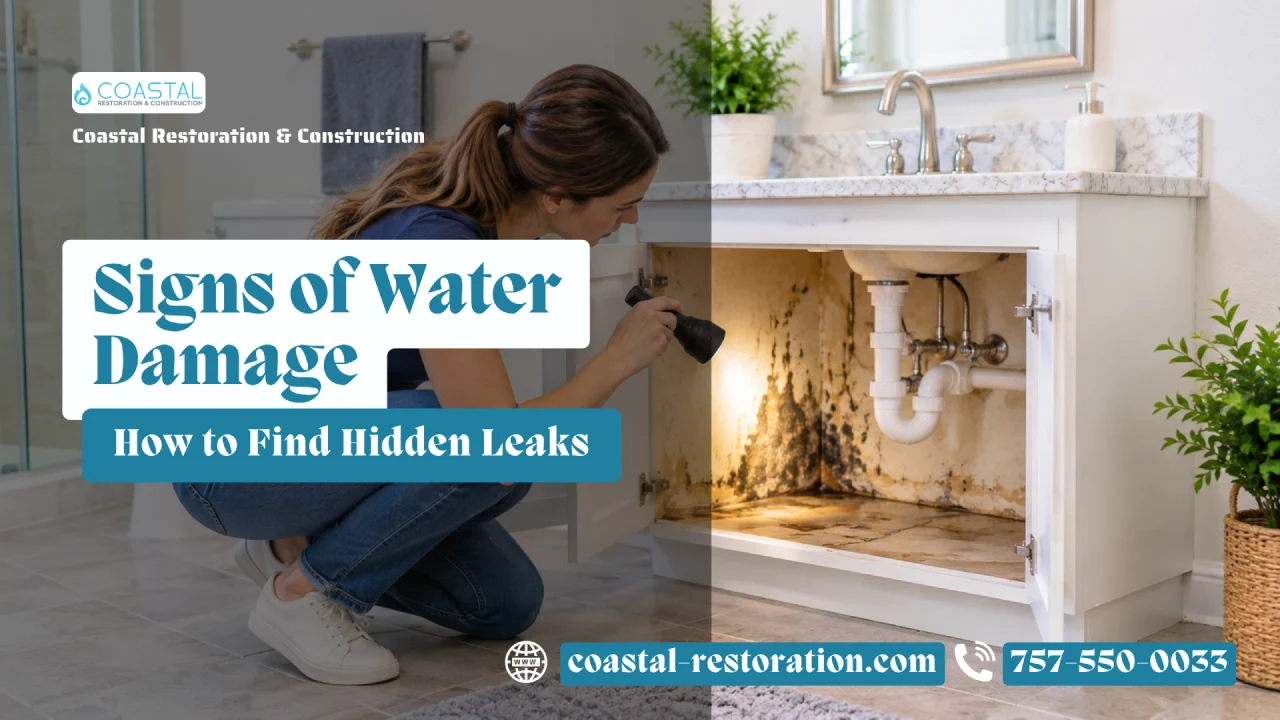
Most people will not notice signs of water damage until it starts to become quite obvious. This may be brown patches on your ceiling, raised floorboards, or a musty smell in your hallway closet that doesn’t seem to go away no matter how much you clean. Usually the water has been there for some time so the repairs required will be more extensive.
The good news is that water damage is easy to identify once you know what to look for. You’ll find some signs are easy to spot while others may take some investigation. We’ve covered the most common signs, how to identify hidden damage, a few easy tests to try, and when to contact a professional.
Common Signs of Water Damage in your Home
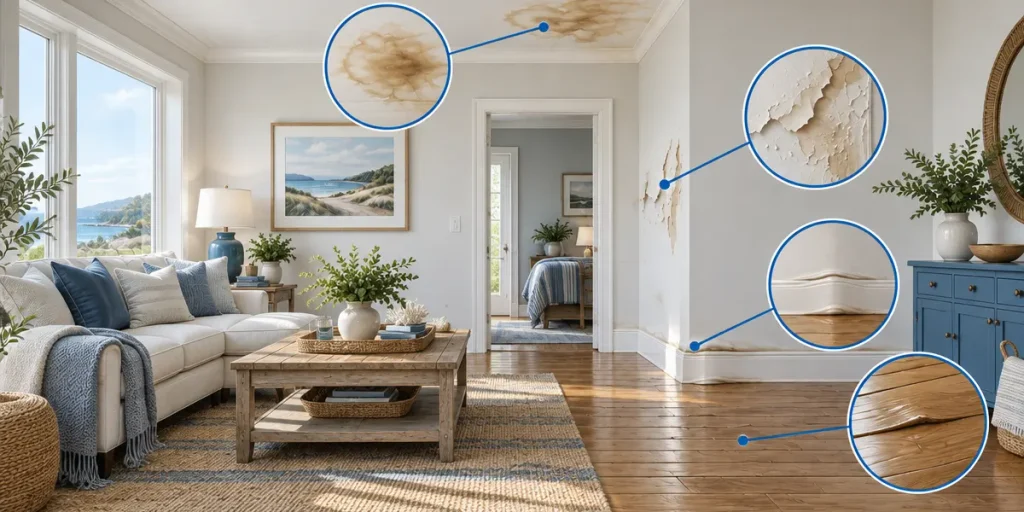
The most obvious signs of water damage in home interiors will be found on your ceiling, walls, and floors. Always check for:
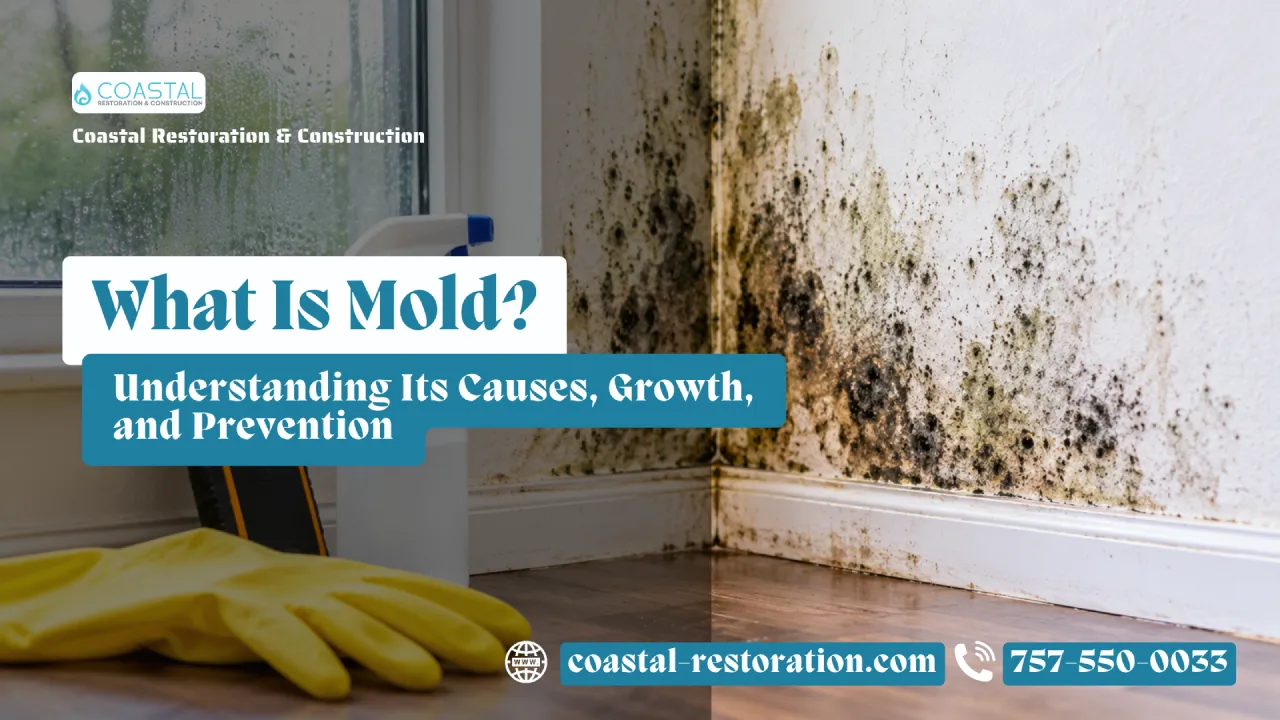
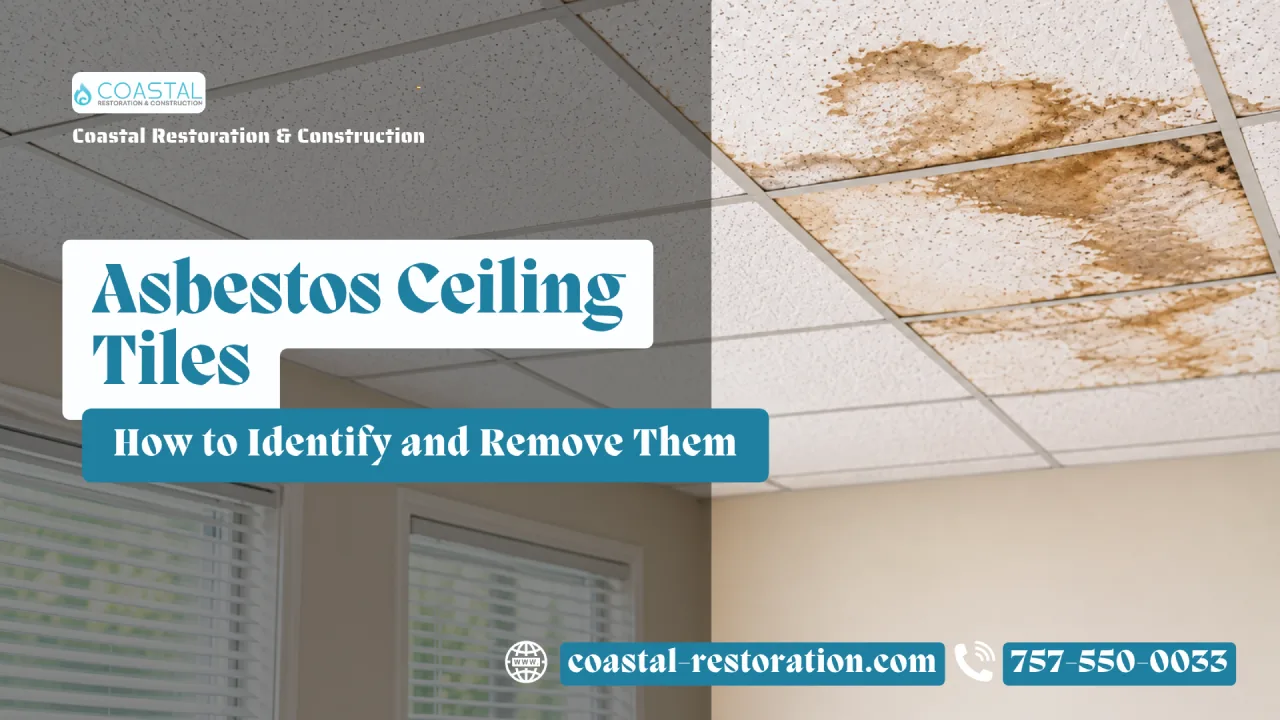
- Staining (yellow, brown, or copper) on ceiling/walls.
- Bubbling, cracking, or peeling paint.
- Squishy, swelling, or warping drywall.
- Cupping or warping floorboards or loose tiles.
- Musty smell in the room.
If you do find a patch of staining, check again after the next rain shower or after someone has had a shower upstairs. If it continues to get bigger or darker, there is likely a current leak. These are also common signs of water damage in walls that homeowners should not ignore.
Hidden Signs of Water Damage
The more difficult issue would be hidden water damage. Slow leaks can cause water to build up in your wall, under your floor, or above your ceiling. This is commonly found in supply lines behind toilets and dishwashers, drain pipes under your sink, and plumbing in exterior walls. Some signs of hidden water damage will be subtle. You may notice your baseboards starting to pull away from the wall or become swollen at the bottom. You may notice cracks forming in the caulk around your tub/shower. Finally, you may hear running or dripping water when nobody in the house is using any water.
This hidden moisture water damage means the water has time to penetrate through your wood framing, insulation, and back of drywall.
How to Spot Water Damage in a House
There are a few easy ways to identify water damage without special tools. First, try your water meter. According to the EPA’s WaterSense program you should check your meter, avoid using any water for two hours, and then check again. If the numbers have changed then you likely have a leak.
To check your toilet for leaks add a few drops of food coloring to your toilet tank. If within 10 minutes you notice color in your toilet bowl, according to WaterSense there is a leak. Check your water bill too. If you notice a sudden spike then this is an easy way to identify a hidden leak.
Next grab your flashlight and check all the areas underneath your sinks, behind your washing machine, around your water heater, and in your attic. Look for any dripping, rust, white scale on pipes, or discoloration on the wood.
Signs of Exterior Water Intrusion
Not all water damage will come from your plumbing. These signs of water intrusion are usually noticed after heavy rain and will often be found around your windows, doors, and foundations. You may notice water staining below your window frames, peeling paint on the windowsill, or damp carpet by exterior doors.
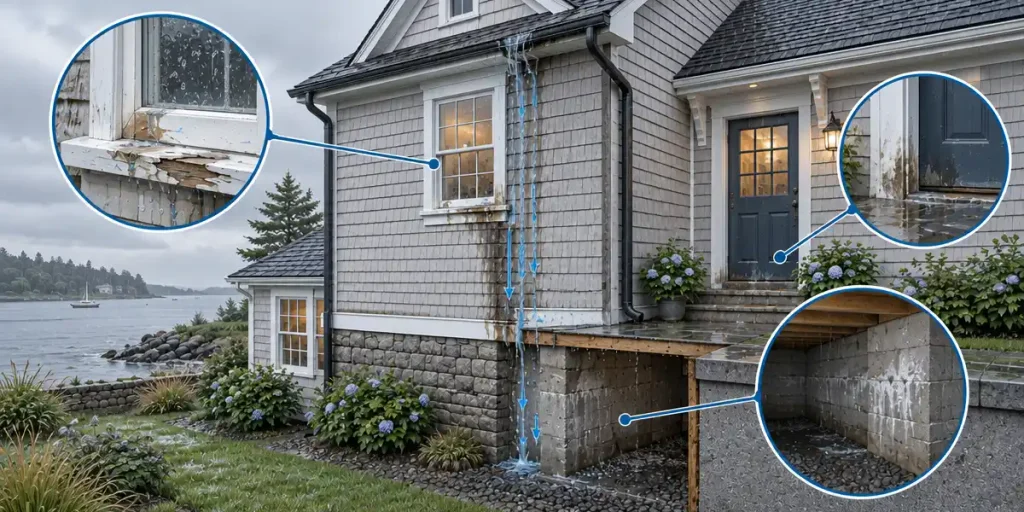
White chalky scale on concrete in basements and crawl spaces is also a common sign of water creeping through. In Hampton Roads we have lots of storms and humid weather throughout the year so it’s worth checking these areas after large storms.
Mold Risk with Hidden Water Damage
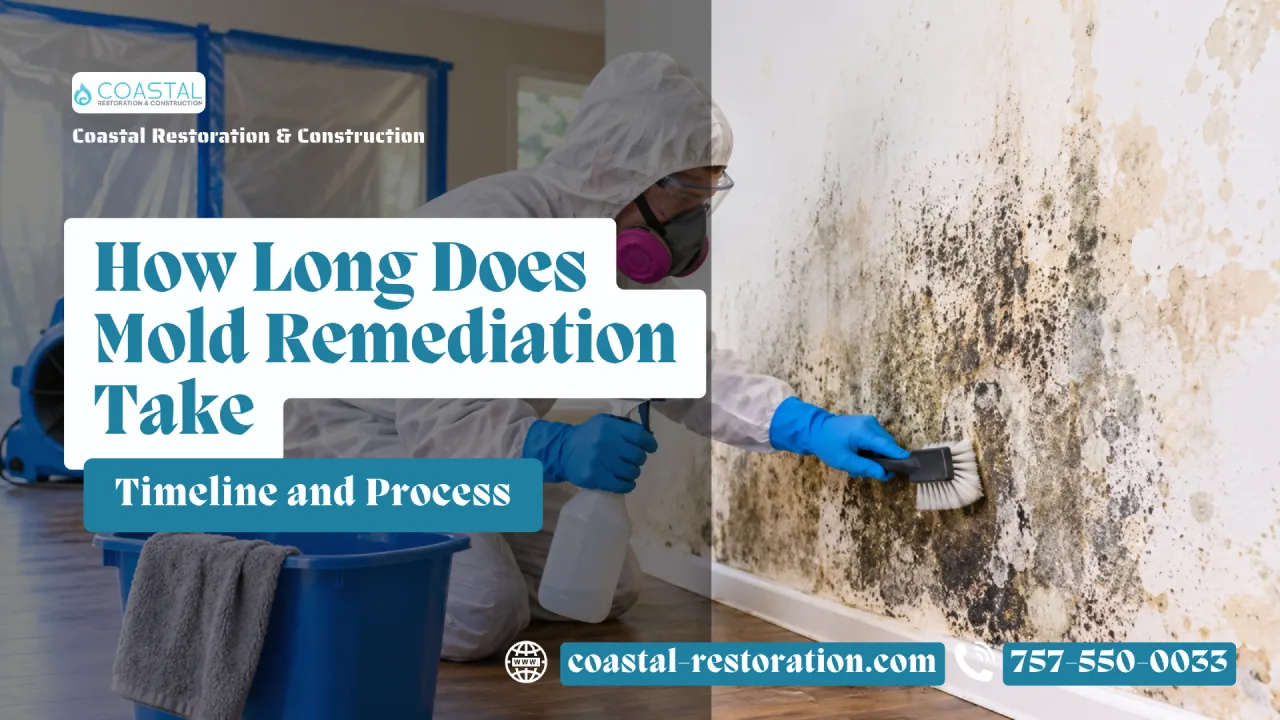
The main issue with hidden leaks is mold. According to the EPA mold can begin to grow on wet materials in as little as 24-48 hours. If there is a slow leak within your wall it can easily cause mold to begin to grow which will go unnoticed for months. Usually you will notice a musty smell first.
Most of the time hidden water damage mold issues cannot be solved by cleaning. As it will be growing on the back of your drywall or within your insulation. If there is more than around 10 square feet of mold then it’s recommended you contact a professional. It’s safer to have mold remediation.
When to Contact a Professional
If the leak you have is small and you manage to catch it early enough, then it can usually be fixed by repairing the leak and drying the area thoroughly. However, if there has been water for longer than a day or two, and you can feel your drywall or flooring becoming soft, or smell the mold but can’t exactly locate the source, then it’s time to contact a professional.
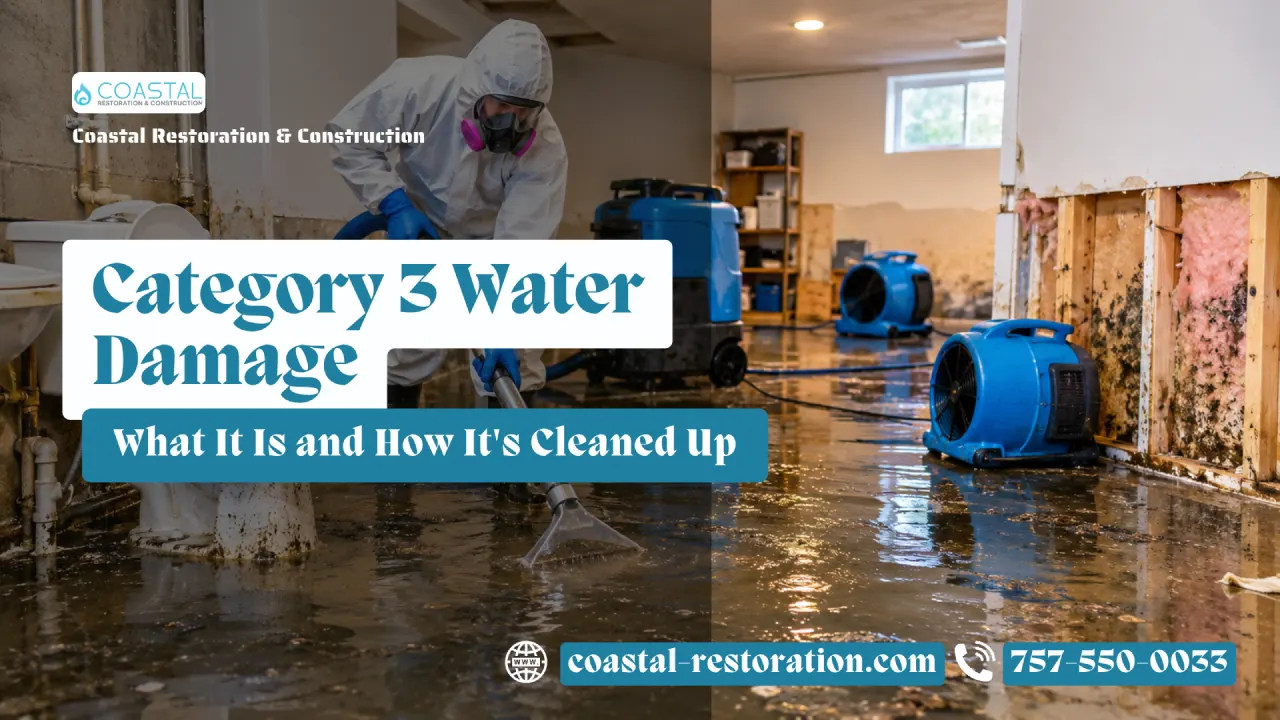
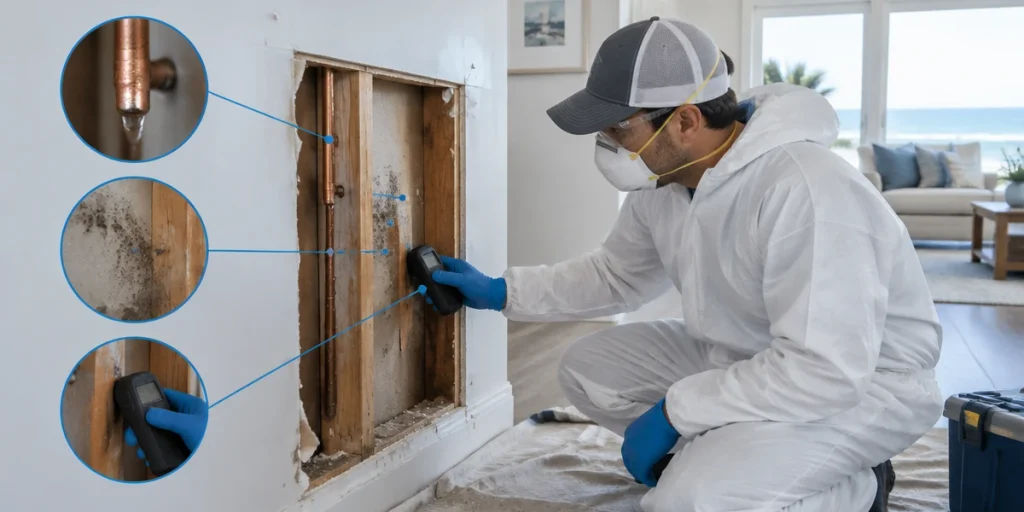
The water damage restoration team will use moisture meters and thermal imaging to find damp areas in your walls and flooring. After that, professional water damage restoration and structural drying will dry up your framing and insulation. A professional water damage inspection can also help identify the extent of moisture and determine which areas need attention.
Identifying Signs of Water Damage
Overall identifying signs of water damage is about being aware of small changes within your home. If you notice any staining, smell, increase in your water bill, or feel your floorboards are different then it’s worth checking. The sooner you can identify the source and dry the area the less work will be required.
FAQs
Here are some quick answers to common queries about signs of water damage that people generally have, so have a glance at them if you have the time.
What are the first signs of water damage?
The first signs are usually a musty smell, small patches of staining on your ceiling/walls, and bubbling paint. Often you will notice the smell first.
Can water damage be hidden behind walls?
Yes it can. If there is a slow leak in your piping or supply line then it can sit behind your wall for weeks. Signs include swollen baseboards, damp smell, or increased water bill.
Will my homeowners insurance cover hidden water damage?
This will depend on why the damage occurred. Most policies will cover sudden and accidental water damage however generally won’t cover slow leaks that have been there for a long time. If you do find any damage it’s best to report it quickly and seek assistance with your insurance claim.
Spotted any Stains or Musty Smells? Let us find the Source
If you have noticed any of these signs it’s best to have them checked. Coastal Restoration & Construction can find the source of the water, dry the affected areas, and deal with any mold.