We notice water damage at different moments. You might step into a laundry room and see water across the floor. Or, a business owner might unlock the door on Monday morning to find a problem that started days ago. The process of dealing with it varies, but the decisions behind the water damage restoration steps shape everything that follows.
The water damage restoration process is actually a series of actions and choices where each step determines how the property recovers from the damage.
Water Damage Restoration Steps from Start to Finish
If you find out the problems early, then by following water damage restoration steps, you can lower the overall damage. Picture two identical water heater failures.
In one house, somebody notices the problem within an hour. In the other, nobody enters the property until after a holiday weekend. The source is the same. The amount of work waiting afterward may be completely different.
Water Damage Restoration Process Steps
The water restoration process starts with gathering information before major decisions are made. Crews look at the source, the affected areas, and the condition of materials throughout the property.
What they find during those early observations influences everything that comes later in the water damage restoration process.
Stopping the Water Before Restoration Begins
Trying to restore a property while water is still entering the building is useless. Nothing moves forward until the source is addressed.
Sometimes the reasons are obvious like, it can be a broken pipe under a sink. Other situations take more work. A ceiling stain may trace back to a roof issue. Water near a wall may start somewhere entirely different. Before repairs, before structural drying, before reconstruction, somebody has to stop the problem from getting worse.
Inspecting Areas That You Never Think to Check
We naturally focus on what we can see, like the soaked carpet gets attention. The stained drywall gets photographed. The damaged flooring becomes the center of every conversation.
Inspectors spend a lot of time looking elsewhere. Behind cabinets. Around appliances. Beneath the flooring. Inside spaces that rarely receive attention during normal daily life.
One of the professional water damage restoration process steps involves determining how large the problem really is.
Looking at the Entire Footprint of the Damage
Move a couch after a water loss, and the floor underneath sometimes tells a different story. The same thing happens throughout a building. Water does not always leave a neat outline showing exactly where it has been. Conditions can change from one section of a room to another. Areas that seem unaffected may receive a closer inspection than the obvious trouble spots.
Removing Standing Water and Moisture
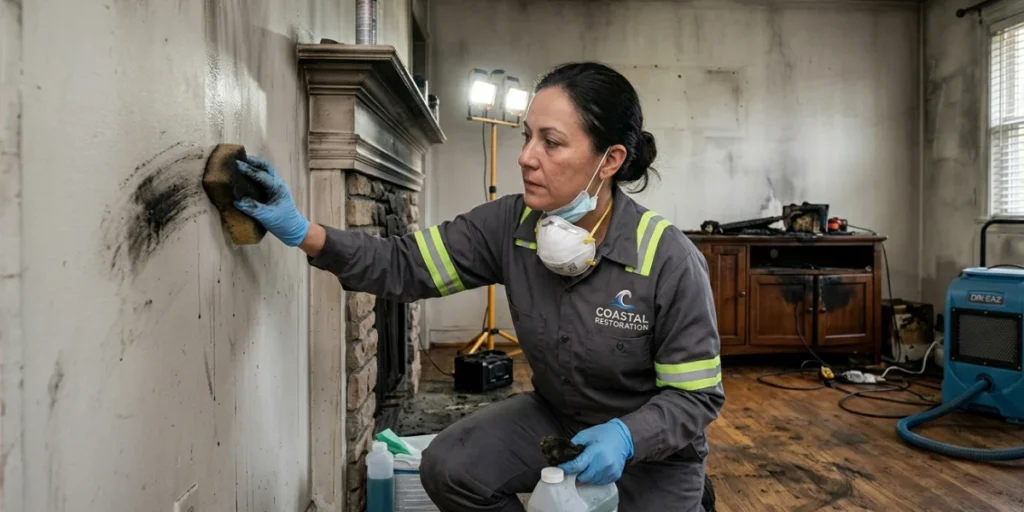
This is usually the first stage that feels like visible progress. Pumps start running. Water Extraction equipment moves through the property. Water that covered the floors a few hours earlier starts disappearing. People often judge a project by what they can see.
The challenge is that removing visible water is only part of the job. Crews are also thinking about what remains inside flooring systems, wall assemblies, and other building materials.
Even so, this stage changes the direction of the project. The property moves from active water intrusion toward recovery.
How Does the Water Damage Restoration Process Work?
A restoration project rarely looks the same from one week to the next. The first concern is usually the water itself. A few days later, attention shifts to the equipment. Then come the questions. Why are the fans still running? When will repairs begin? For many people, that is also when they start wondering, ‘How long does water damage restoration take?’
What seems like one job is really several jobs connected together. Cleanup comes before water damage drying. Drying comes before repairs. Repairs come before normal use returns.
Looking at the project as a whole makes those stages easier to understand and shows why each step depends on the one before it.
How Carpet Restoration Process After Water Damage Work?
Carpet usually raises immediate questions. Can it stay? Does it need replacement? Is cleaning enough?
The answer depends on several factors. The carpet’s age, condition, padding, water source, and how long it remained wet all influence the decision. Inspectors also check what is underneath the carpet. That is why it varies from one room to another, even within the same property.
Also, drying takes place on its own schedule. Flooring, framing, drywall, and other materials do not all respond at the same speed. Some release moisture quickly. Others take longer.
Among the most important steps to water damage restoration is allowing the building to reach suitable conditions before repairs begin. Starting too early can create problems that nobody wants to revisit later.
Restoring Indoor Conditions
A room can be dry and still feel far from normal. Furniture may be stacked in another area. Dust from earlier work may still be present. Materials removed during cleanup leave spaces looking unfinished.
This is where attention shifts toward making the environment usable again.
One of the key steps to effective water damage restoration involves cleaning surfaces, addressing odors, and preparing rooms for the work that follows. People notice this stage immediately because the property starts feeling more familiar again.
Restoring Commercial Water Damage
Commercial projects usually come with a different set of worries. A homeowner may be thinking about a bedroom or living room. But a business owner thinks about employees, customers, deliveries, inventory, equipment, and operating hours at the same time.
A flooded warehouse creates different challenges from a restaurant. A medical office faces different concerns than a retail store.
That is why steps in commercial water damage restoration extend, and restoration teams must also consider how the building functions while work continues.
Stage of Repairing and Rebuilding
This is the stage people look forward to the most. The fans leave. The equipment disappears. New materials arrive. Drywall gets replaced. Flooring returns. Paint covers exposed repairs. Rooms begin looking like themselves again.
Some projects require a few repairs and some finish work. Others involve larger reconstruction efforts. The amount of rebuilding depends on what remained after extraction, drying, and cleanup were complete. For many people, this is the moment when recovery finally feels real.
What Happens When Water Damage Is Left Untreated?
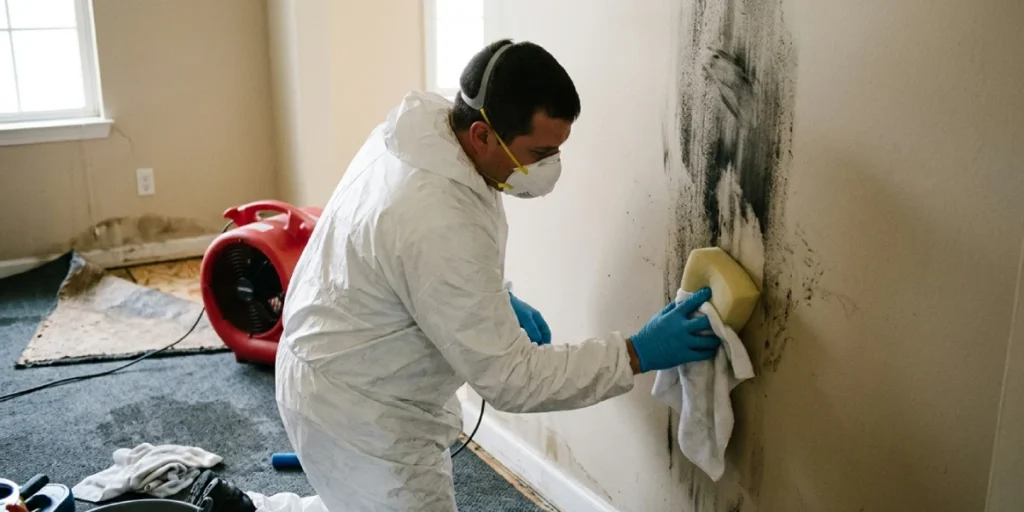
Small problems have a habit of becoming larger ones. A section of flooring that needed a simple repair may later require replacement. A manageable cleanup can turn into a reconstruction project. Costs rise. Repair needs to expand.
The biggest restoration projects do not always begin with the biggest leaks. Many start with a problem that sat untouched for too long. Addressing water damage early gives people more options and usually keeps the amount of work under better control.
Conclusion
Most people never see everything that happens between the day water enters a property and the day repairs are complete.
They see equipment and specialists come and go. What they do not always see are the decisions that shape the outcome.
Those decisions are water damage restoration steps that take place throughout the project. The water damage inspection, extraction, drying, cleaning, repairs, and reconstruction each serve a different purpose. When those steps happen in the right order, the path from damage to recovery becomes far easier to manage – and having a trusted team like Coastal Restoration guide you through it makes all the difference.
FAQs
How long will the water restoration process take?
It depends on the size of the loss, the affected materials, and the work still waiting to be completed.
How long does water damage restoration and repair usually take?
Restoration and reconstruction do not always finish together, and drying equipment may leave while flooring, drywall, painting, or cabinet repairs are still underway.
How long does water damage restoration usually take?
No two properties recover on exactly the same schedule. The scope of damage, material availability, and repair requirements all influence the final timeline.