
The flames are gone. Then the real cleanup starts. Actually, a fire creates more damage than we can see. Moving smoke carries tiny particles that stick to walls, ceilings, furniture, and other areas. That residue is soot that goes farther than even you can imagine.
Professional soot removal focuses on removing those particles before they leave lasting damage. Some go inside vents, cabinets, closets, and other areas you rarely check. And it gets more time to stain, retain odors, and make restoration work harder.
What Is Soot Removal?
After a fire, burned things release small particles, which float into the air. Cleaning away is called soot removal.
The residue changes depending on what burned. Wood creates one type. Plastic creates another. Fuel products, fabrics, rubber, and household materials all leave something different behind. Some soot feels dry. Some feel greasy. Some leave dark stains almost immediately.
The problem rarely stays in one room. So, it moves through hallways, doors, inside ducts, and nearby places. Finally, a fire that starts in the kitchen can leave its residue in bedrooms!
Common Types of Soot Found After a Fire
Not every fire leaves the same residue behind. Depending on the source of the fire, it determines the type of cleanup that needs to be done.
Black Soot
Black soot removal is common that involve plastics, synthetic materials, rubber, and petroleum-based items. Common signs are:
- Dark staining
- Sticky residue
- Strong smoke odors
- Discoloration on nearby surfaces
Carbon Residue
Carbon soot removal deals with fine particles produced during incomplete combustion. These particles travel easily. The residue may appear light at first. Under sunlight, the contamination often becomes much easier to spot.
Candle Residue
Candle soot removal is necessary when candles burn improperly or release excess smoke over time. Dark streaks appear above the candle or across the ceiling. One may easily mistake the residue for dust, but it’s candle soot.
Furnace-Related Soot
A heating system can create its own cleanup problems. Furnace soot removal is necessary after incomplete combustion inside a furnace or heating unit.
Other signs may include:
- Dark marks on walls
- Dirty vent covers
- Lingering odors
- Residue around registers
Diesel and Fuel Residue
As property owners, we often focus on daily operations and overlook small equipment problems. However, a single equipment failure, generator malfunction, or fuel-related incident can quickly lead to a fire and leave behind significant damage that requires the need for diesel soot removal.
Areas That Often Collect Soot
Soot settles wherever smoke can reach. Sometimes the residue is obvious. A black mark on a wall. A stained ceiling above the fire area. Other times, it hides in places people rarely inspect until odors refuse to go away.
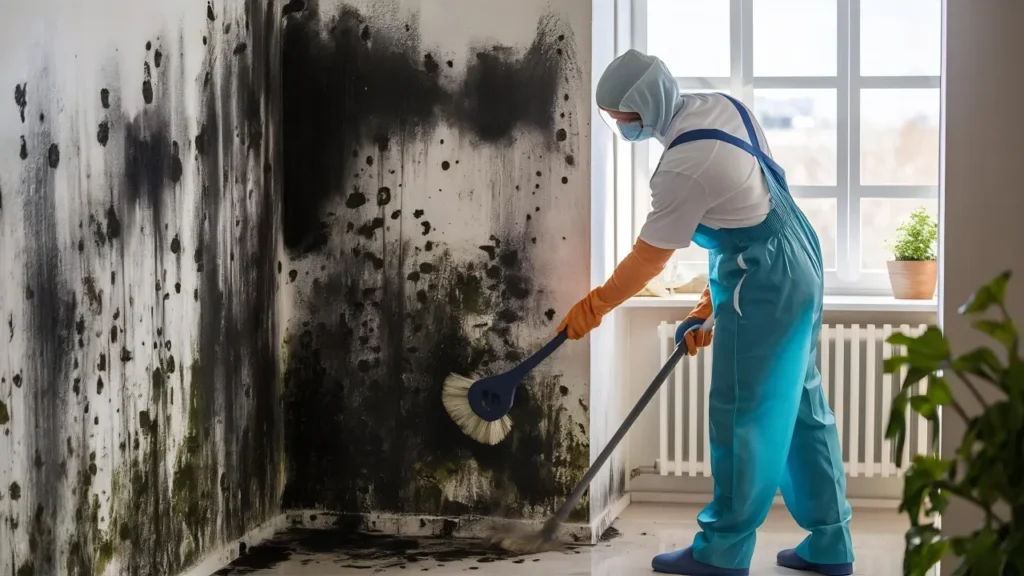
Soot Removal From Walls
It is one of the most common parts of post-fire cleanup. In the process, one mistake causes a lot of frustration. People see a dark mark and start scrubbing. Instead of lifting the residue, the stain spreads across a larger area. That turns a small cleanup job into a bigger one.
Soot Removal From Brick
Brick looks solid. Smoke sees it differently. Because brick contains tiny pores across its surface, soot removal from brick often takes more work than people expect. Smoke particles settle inside those openings and remain there long after visible residue disappears.
The odor can stay too. That is why brick surfaces often need more than a quick surface cleaning after a fire.
Fire Soot Removal
During fire soot removal, technicians frequently find contamination inside cabinets, closets, attics, storage areas, or even in the HVAC systems! These spaces stay out of sight, so residue remains there while the rest of the room gets attention.
Soot Removal After Fire Incidents
The first few days usually matter the most. Quick soot removal after fire damage can reduce staining, and also you can have a better chance of recovery when cleanup starts early.
So, Professional Soot Removal vs DIY Cleaning: what do you think is the best pick for your properties?
At this point, most people try the obvious things first. They grab a sponge. Use a household cleaner and start wiping the surface. And to be honest, sometimes it works.
But, if the residue went into the materials and became harder to remove, then you should seek the expert opinions. As soot is different from everyday dirt, any cleaning method that works on one surface may damage another.
That’s why for larger losses, professional soot removal can be the ideal choice as it saves both time and materials. Besides, experience matters!
Any soot removal experts start by identifying the type of residue before selecting a cleaning method. Dry soot acts differently from oily soot. Plastic residue works differently from wood residue. The same cleaning product does not work for all, and soot removal servicesknow how to work on it.
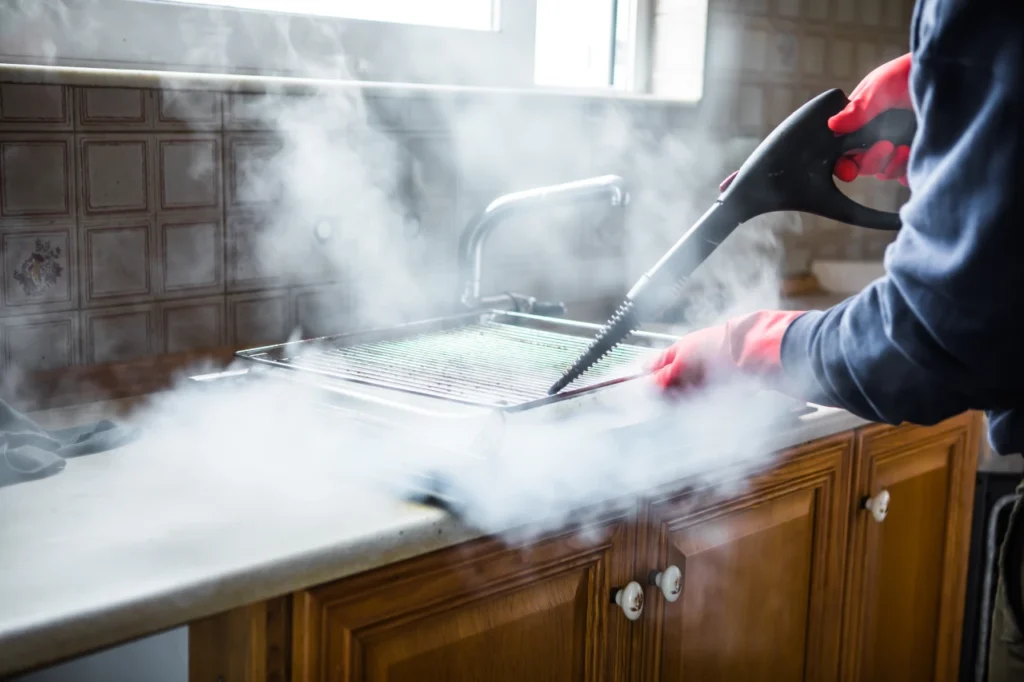
What Fire Damage Soot Removal Services Often Include?
Many go beyond surface cleaning. Depending on the situation, work may include:
- Surface cleaning
- Odor treatment
- HVAC cleaning
- Air filtration
- Content cleaning
- Documentation for insurance claims
Large losses may also require repairs, and rebuilding work can begin.
Smoke Soot Removal Process
No two fires leave the same cleanup job behind.
A small cooking fire creates one situation. A furnace problem creates another. A warehouse fire creates something completely different.
Still, most smoke soot removal projects follow a similar path.
Inspection Comes First
The first walkthrough reveals more than many people expect.
A room may appear clean until light hits the wall from a different angle. A cabinet may look untouched until the door opens. Air vents often tell their own story.
Inspectors usually check:
- Walls and ceilings
- HVAC systems
- Contents and belongings
- Hidden spaces
- Smoke odors
- Visible residue
The inspection often uncovers contamination far beyond the original fire area.
Removing Loose Residue
Loose particles usually come off before deeper cleaning starts.
This stage may involve:
- HEPA vacuuming
- Dry cleaning sponges
- Filtration equipment
Removing loose residue first helps avoid pushing soot deeper into surfaces.
Surface Cleaning
Different materials need different approaches.
Wood reacts differently from drywall. Brick reacts differently from metal. Electronics require a different level of care altogether.
The cleaning method changes based on the material and the type of soot involved.
Odor Treatment
A clean room can still smell like smoke. The main reason is that odor particles settle into porous materials such as drywall, insulation, furniture, carpeting, and fabrics. That’s why removing the stain is one task and removing the odor is another.
HVAC Cleaning
Smoke follows airflow. Once residue enters the duct system, it can continue circulating through the building every time the system runs. Cleaning those areas helps prevent particles from returning to recently cleaned spaces.
Commercial soot
After a commercial fire, business owners often discover that the flames were only part of the problem. Days later, black residue may still appear on shelves, equipment, inventory, and workstations throughout the property. Removing that contamination often requires commercial soot removal, while lingering odors and airborne particles may call for more extensive commercial smoke and soot removal throughout the building.
What Affects Soot Removal Cost?
Soot removal cost changes on how much contamination exists, where it is spread, and what materials need cleaning. For example, a thin layer of residue on a wall needs far less work than smoke contamination of an entire building. Several factors influence pricing, such as:
- Size of the affected area
- Type of soot
- Number of affected rooms
- HVAC contamination
- Odor severity
- Contents cleaning
- Structural damage
- Labor requirements
The source of the fire matters too.
Average Smoke and Soot Cleanup Costs
The overall smoke and soot removal cost varies from one project to another. Take a look here:
| Damage Level | Typical Condition | Estimated Cost Range |
| Light | Limited residue and mild odor | $200 – $2,000 |
| Moderate | Several affected rooms | $2,000 – $6,000 |
| Heavy | Extensive contamination and strong odors | $6,000 – $15,000 |
Final Thoughts
The fire may be out, but soot continues to harm the property. Some residue sits in plain sight. Some settle inside vents, on top of cabinets, behind furniture, and in other places people rarely check. Fresh soot is easier to remove. But over time, the stains become deeper, odors settle, and many problems show up.
Some cleanup jobs stay limited to a few surfaces. Others reveal contamination, so the sooner soot is identified and cleaned, the better the chances of protecting the overall condition of the property.
Frequently Asked Questions
How long does soot removal take?
A single-room cleaning takes a day or two, and larger projects can take a longer time.
Is soot dangerous inside a home?
Soot contains fine particles affecting indoor air quality. Also, it depends on the source of the fire and the amount of residue.
What should I do after a fire?
Document the damage, contact your insurance provider, and arrange an inspection before starting any cleanup work.
Can brick surfaces be cleaned after smoke damage?
Yes. Brick often requires specialized cleaning because soot can settle inside its porous surface.
What is the difference between smoke damage and soot damage?
Smoke damage includes odors, gases, and airborne contamination. Soot damage refers to the physical residue left behind after combustion.